
"600 to 200"
300 article(s) found

What are the suggestions of Costa Rican bean baking in Costa Rica single bean farm
For professional baristas, follow the Coffee Workshop (official Wechat account cafe_style) CENTRAL VALLEY Central Valley, the capital of Costa Rica, San Jose, which is the most densely populated area. It is also an area that has been growing coffee for the longest time. It is usually divided into the sons of San Jose San Jos Heredia and Alajuela.

Peaceful and full-bodied coffee manor in Arusha, Tanzania, the planting market price of fine coffee bean varieties is simple.
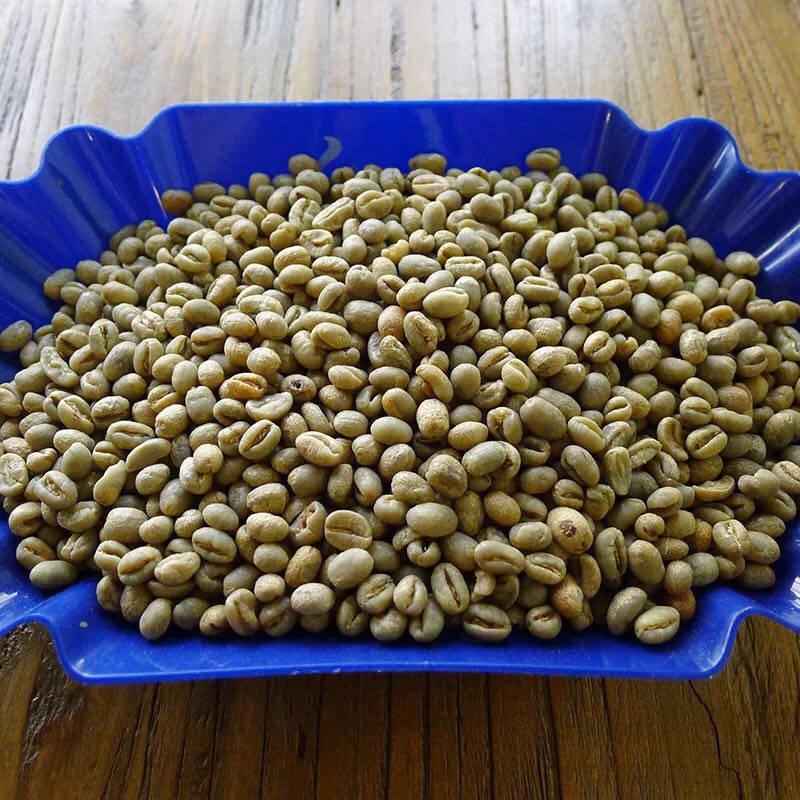
Raw beans: raw beans are unbaked beans, which contain 11.5% fat; 11.5% moisture; 28.6% crude fiber; 4.0% minerals; 6.2% tannic acid; 1.3% caffeine; 17.0% essence; 8.1% sugar; 11.8% protein. Baked beans: baked beans containing 13.0% fat; 1.5% caffeine; 29.5% crude fiber; 2.6% moisture; 5.0% minerals

Balanced acidity and fragrant coffee manor in Ecuador introduce the flavor and taste characteristics of Hassan.
West coast: including coastal plains and foothills, high in the east and low in the west, generally below 200 meters above sea level, with some hills and low mountains at an altitude of 600 to 700 meters. Belongs to the tropical rain forest climate, the southernmost end begins to transition to the savanna climate. The average annual precipitation decreases from more than 3000 mm to about 500mm from north to south. Central Mountains: the Andes enter Ecuador from Colombia
Introduction of civet coffee beans the origin of civet coffee beans the characteristics of civet coffee
Kopi Luwak is the least produced coffee in the world. A bag of 50 grams of coffee beans costs more than 800 yuan and can only make 5 cups of coffee. In other words, the price of a cup is about 200 yuan. The civet coffee gift box produced by Fireboat Group, the largest coffee supplier in Indonesia, sells for 600 yuan and 50g in Shangpin Cafe with extremely luxurious packaging, while the asking price for 100g is more than 2000 yuan.

Yunnan Coffee Flavor
The western and southern parts of Yunnan Province are located between the 15th latitude and the Tropic of Cancer. Most areas are 1000-2000 meters above sea level. The topography is dominated by mountains and slopes. Here, the land is fertile, the sunshine is sufficient, the rainfall is abundant, and the temperature difference between day and night is large. The unique natural conditions form the special taste of Yunnan small-grain coffee, which is rich but not bitter, fragrant but not strong, slightly fruity. Pu'er in the south and west of Yunnan

Introduction to the characteristics of Tanzania Kilimanjaro Coffee Flavor Manor
The topography of Tanzania is high in the northwest and low in the southeast, showing a ladder shape. The eastern coast is a lowland, the western inland plateau accounts for more than half of the total inland area, and the East African Rift Valley runs from east to west from Lake Malawi to the north and south. The Kibo peak of Mount Kilimanjaro in the northeast is 5895 meters above sea level. It is the highest peak climate in Africa, Tanzania Beach, Tanzania Beach, Tanzania East Coast.

Coffee classroom: the difference between Arabica and Robusta coffee beans
The world's coffee beans are mainly divided into two categories: small seed coffee bean Arabica Arabica and medium grain coffee bean Robusta Robsta. Small seed coffee beans grow in the temperate and tropical climate of Haiba 600-2000 meters, with rich and delicate taste, strong smell, high acidity and smooth texture, bringing strong aroma and smoothness to the coffee.

Introduction to the Grinding scale of Tanzania Coffee beans with Pure Flavor
The types of rainfall can be divided into bimodal distribution and unimodal distribution. The areas with double bee rainfall include the provinces around the Lake Victoria basin, the northeast highlands, the coastal and inland northeastern. The bimodal rainfall area is characterized by two rainy seasons. The short rainy season occurs from September to December. The total rainfall can reach 200-500 mm. The long rainy season occurs from March to May.

Panamanian Emerald Manor Coffee beans Diamond Hill series how to distinguish between Kaddura and Kaduai coffee beans
Professional coffee knowledge exchange more coffee bean information Please follow Coffee Workshop (Wechat official account cafe_style) I believe everyone is familiar with the rose summer coffee beans of Jadeite Manor, which is divided into three brands: Esmeralda Special, Private Collection, Geisha 1500, commonly known as red standard, green standard and blue standard. Cymbal

An introduction to the characteristics of the coffee flavor and taste of the Santa Cruz Manor in Ecuador
West coast: including coastal plains and foothills, high in the east and low in the west, generally below 200 meters above sea level, with some hills and low mountains at an altitude of 600 to 700 meters. Belongs to the tropical rain forest climate, the southernmost end begins to transition to the savanna climate. The average annual precipitation decreases from more than 3000 mm to about 500mm from north to south. Central Mountains: the Andes enter Ecuador from Colombia

Introduction to Santa Cruz Manor in Ecuador Coffee Flavor and Taste area, which can be made into High-quality mixed Coffee
West coast: including coastal plains and foothills, high in the east and low in the west, generally below 200 meters above sea level, with some hills and low mountains at an altitude of 600 to 700 meters. Belongs to the tropical rain forest climate, the southernmost end begins to transition to the savanna climate. The average annual precipitation decreases from more than 3000 mm to about 500mm from north to south: part of the Amazon basin. Altitude 1200mm 250

Ecuador coffee estate producing area flavor taste characteristics boutique coffee beans introduction
The country is divided into three parts: the western coastal area, the central mountainous area and the eastern area. Map of Ecuador Map of Ecuador Western coast: including coastal plains and foothills, east high west low, generally below 200 meters above sea level, there are some hills and low mountains 600~700 meters above sea level. Tropical rain forest climate, the southernmost start to transition to a savanna climate. Average annual precipitation from north to south 3

Introduction to the Flavor and Taste of Coffee Manor in Ecuador
West coast: including coastal plains and foothills, high in the east and low in the west, generally below 200 meters above sea level, with some hills and low mountains at an altitude of 600 to 700 meters. Belongs to the tropical rain forest climate, the southernmost end begins to transition to the savanna climate. The average annual precipitation decreases from more than 3000 mm to about 500mm from north to south. Central Mountains: the Andes enter Ecuador from Colombia

Introduction of Yunnan Coffee Flavor and taste Yunnan Coffee producing area
Baoshan: the cultivation of coffee in Baoshan began in the mid-1950s, and the first coffee seedling was introduced by the late patriotic overseas Chinese Mr. Liang Jinshan in Southeast Asia. The local famous Lujiangba small grain coffee is of excellent quality. It was rated as first class in London, England as early as the late 1950s. In recent years, with the expansion of international trade, Lujiangba's small-grain coffee is more famous. Europe, the United States, Afghanistan

Introduction to the characteristics of Ecuadorian Coffee Flavor Manor with well-balanced taste
West coast: including coastal plains and foothills, high in the east and low in the west, generally below 200 meters above sea level, with some hills and low mountains at an altitude of 600 to 700 meters. Belongs to the tropical rain forest climate, the southernmost end begins to transition to the savanna climate. The average annual precipitation decreases from more than 3000 mm to about 500mm from north to south. Central Mountains: the Andes enter Ecuador from Colombia

The production process of Kopi Luwak the civet Arabica
Take an inventory of the types of Kopi Luwak in Indonesia: there is only one kind of Kopi Luwak in Indonesia, and that is coffee made from civet droppings. Kopi Luwak is the least produced coffee in the world. A bag of 50 grams of coffee beans costs more than 800 yuan and can only make 5 cups of coffee. In other words, the price of a cup is about 200 yuan. Muscat produced by Fireboat Group, Indonesia's largest coffee supplier.

How much coffee is best for your body?
The debate over whether coffee does more good or harm seems to be ongoing. How much coffee should I drink every day? Greek researchers studied 485 people over the age of 65 and found that one cup of coffee a day can keep arteries healthy and stabilize blood pressure. A survey of 600 volunteers at the University of Bristol in the UK also showed that a cup of coffee a day can enhance

Introduction to the unique flavor and taste of Hassanda Coffee Manor in Ecuador
West coast: including coastal plains and foothills, high in the east and low in the west, generally below 200 meters above sea level, with some hills and low mountains at an altitude of 600 to 700 meters. Belongs to the tropical rain forest climate, the southernmost end begins to transition to the savanna climate. The average annual precipitation decreases from more than 3000 mm to about 500mm from north to south. Central Mountains: the Andes enter Ecuador from Colombia

How to drink coffee? how many cups of coffee should you drink every day?
Benefits of one cup of coffee: Greek researchers studied 485 people over the age of 65 and found that one cup of coffee a day can keep arteries healthy and stabilize blood pressure. A survey of 600 volunteers at the University of Bristow in the UK also showed that one cup of coffee a day can boost brainpower. The downside: it takes eight hours for caffeine to be fully excreted, so if 3: 00 or 4: 00 p. M.

Introduction to Galapagos Coffee with unique aroma of Ecuadorian Coffee Manor
West coast: including coastal plains and foothills, high in the east and low in the west, generally below 200 meters above sea level, with some hills and low mountains at an altitude of 600 to 700 meters. Belongs to the tropical rain forest climate, the southernmost end begins to transition to the savanna climate. The average annual precipitation decreases from more than 3000 mm to about 500mm from north to south. Central Mountains: the Andes enter Ecuador from Colombia